Vaginal dryness is common — and lubricant helps
By the Fink care team · Published 3 June 2026
There is a quiet assumption many women carry: that wetness is a verdict on desire, and dryness is a sign that something inside them has gone wrong. It is one of the most persistent myths about the female body, and it causes a great deal of unnecessary worry. The truth is gentler and more ordinary. Vaginal dryness is extremely common, it visits most women at some point, and it usually has nothing to do with how much you want your partner.
Lubrication is a physical response shaped by hormones, blood flow, hydration, the day of your cycle, and a dozen things that have no relationship to attraction at all. Understanding what is actually happening removes the shame — and once the shame is gone, the fix is often simple. A good lubricant is not a confession that your body has failed. It is a small, sensible comfort, the way a moisturiser is for dry hands in winter.
Dryness is not the same as disinterest
The body's lubrication doesn't run on a single switch labelled desire. You can feel deeply drawn to someone and still be dry, and you can be physically wet without much emotion behind it. The two systems overlap, but they are not the same wiring.
Arousal that lives in the mind does not always travel to the body at the same speed, and that gap widens with stress, tiredness, or simply needing more time. Treating dryness as a personal failing only adds pressure, and pressure is one of the things that makes the body slower to respond. It helps to set the verdict aside entirely and look instead at the practical reasons.
The everyday causes you rarely hear about
Stress is near the top of the list. When the body is braced and alert, it diverts attention away from anything that isn't urgent, and lubrication is one of the first comforts to go quiet.
Your menstrual cycle plays a part too. Natural moisture rises and falls across the month as hormones shift, so a day that feels dry may simply be a day in your cycle, not a problem at all.
Hormonal birth control, certain antihistamines and cold medicines, some antidepressants, and other prescriptions can lower natural lubrication as a side effect. If dryness arrived around the time a new medication did, that timing is worth noting.
Breastfeeding lowers oestrogen for a season, and lower oestrogen often means less moisture — a temporary state that surprises many new mothers. Menopause brings a longer-term version of the same shift. None of these are failings. They are the body responding, exactly as bodies do.
How a good lubricant actually helps
A personal lubricant does one honest thing: it reduces friction so that intimacy feels comfortable rather than sore. That comfort matters more than it sounds, because discomfort teaches the body to brace, and bracing makes the next time harder. Easing the friction quietly breaks that loop.
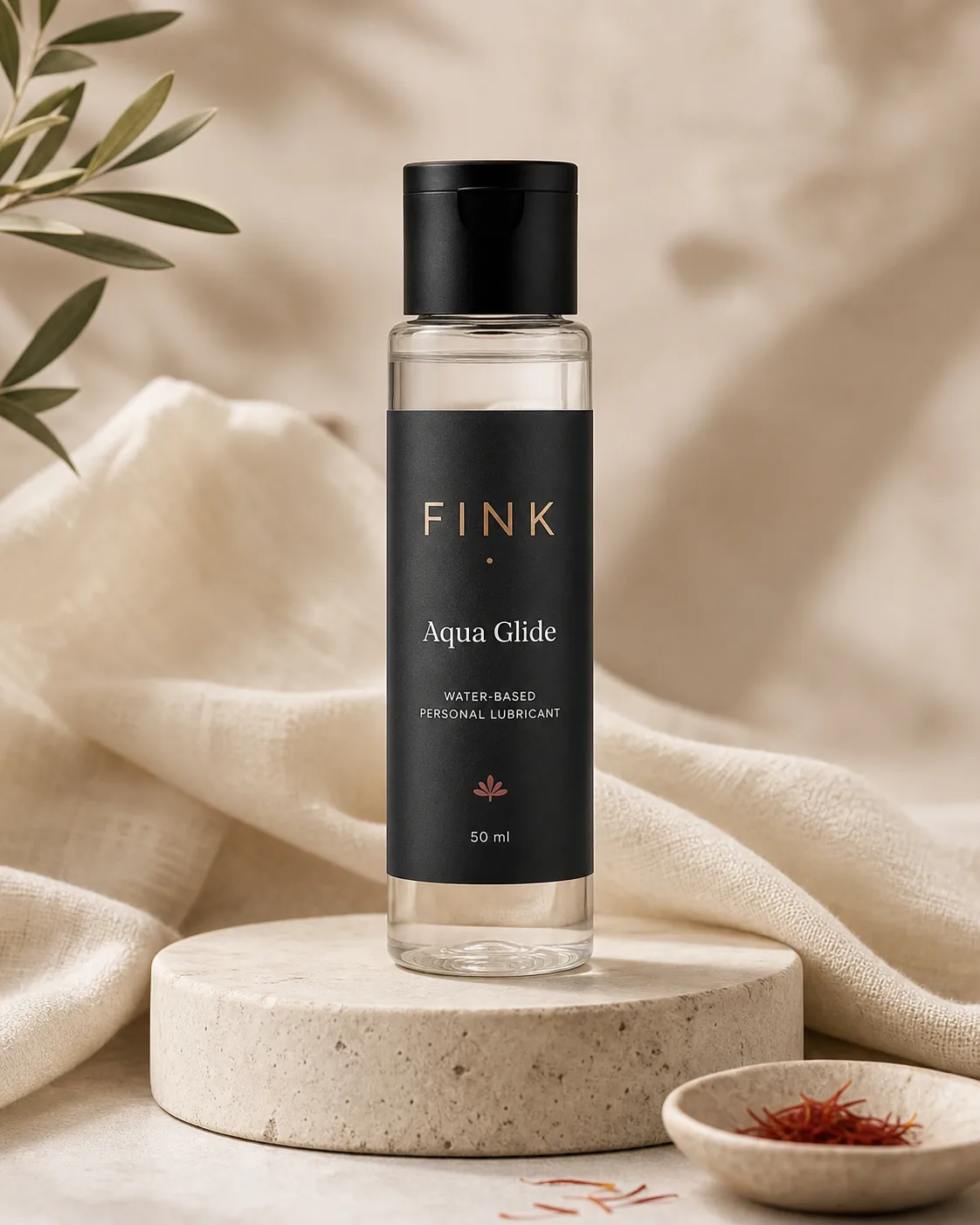
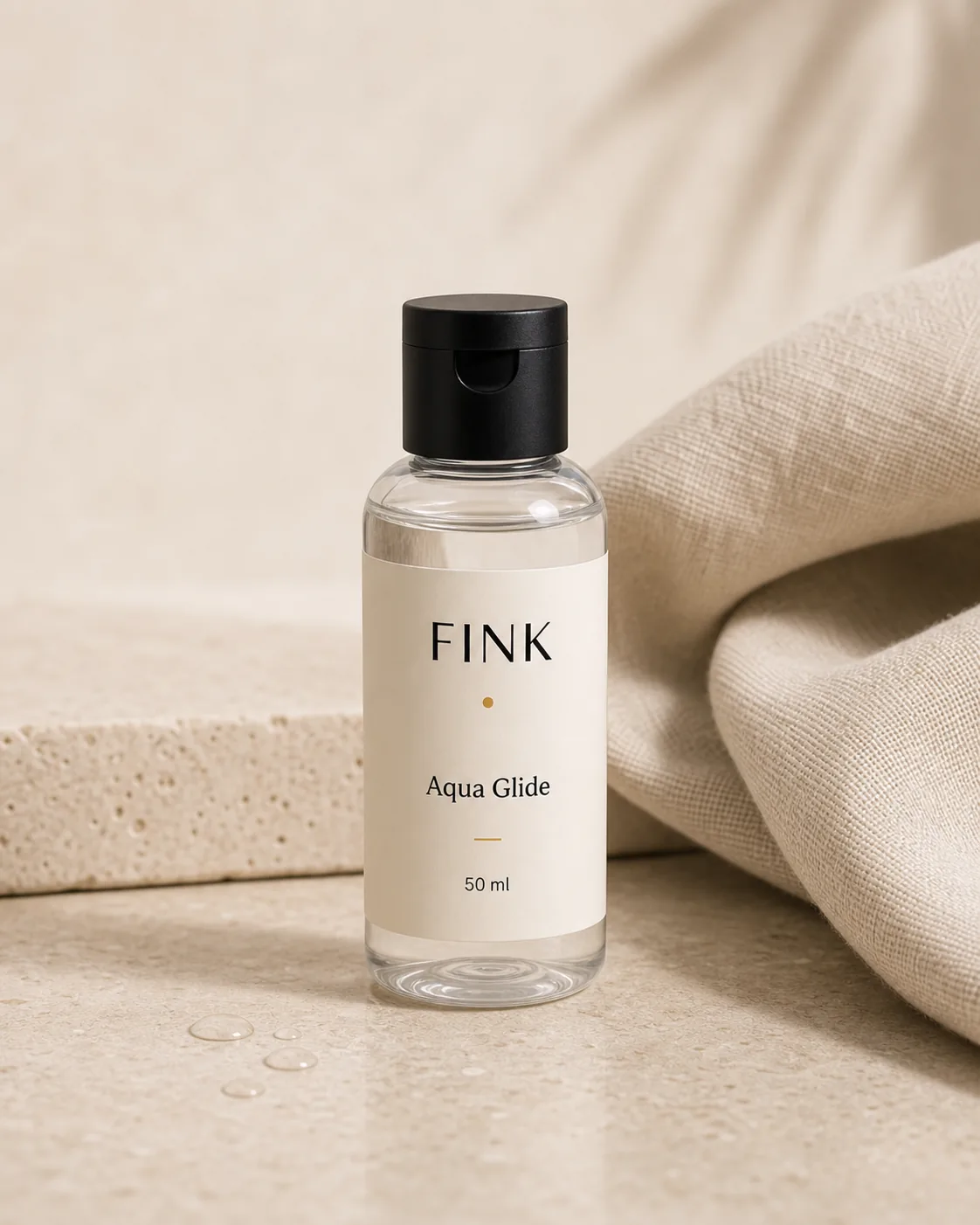
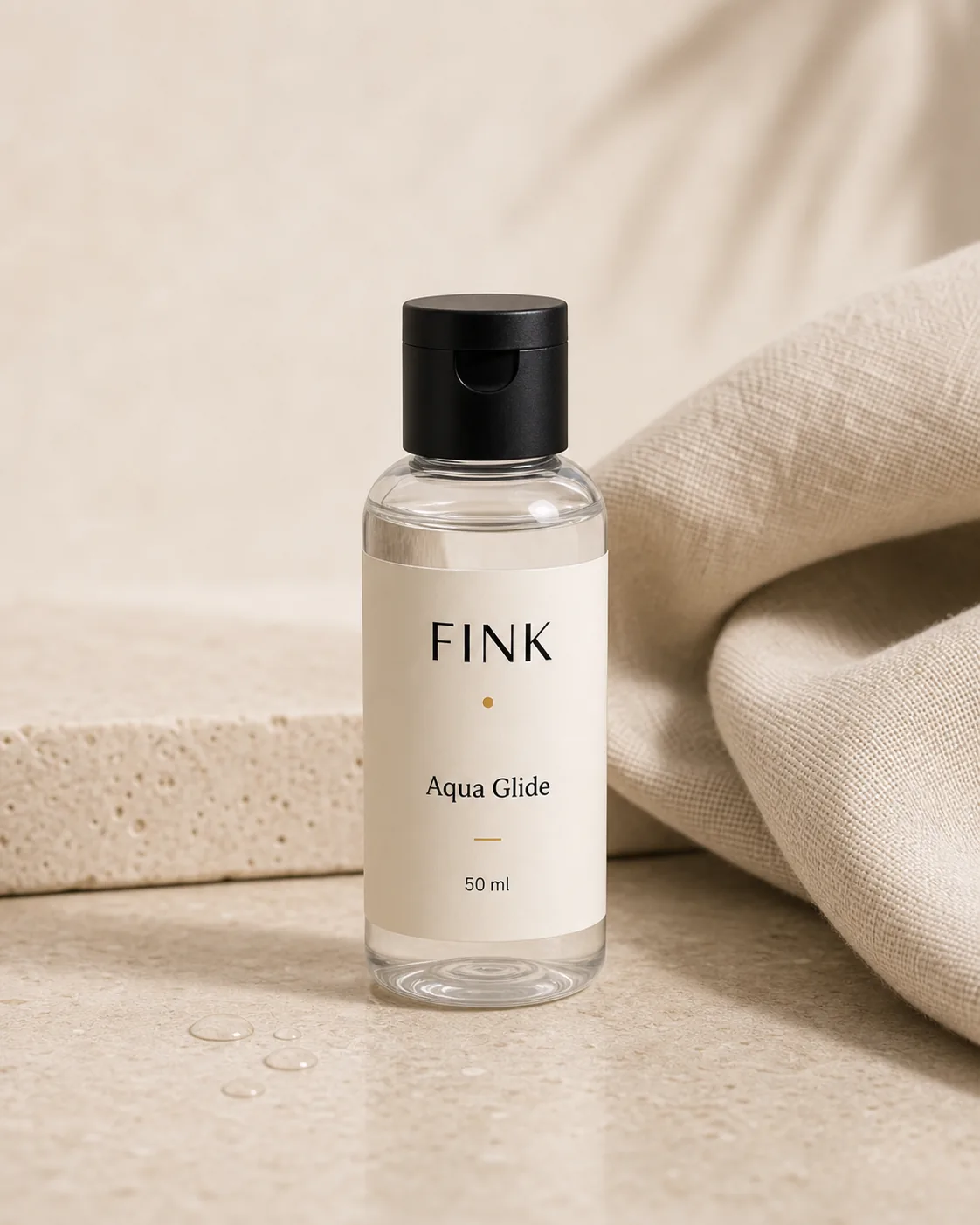
A clean, water-based formula is the sensible default for most people. It feels natural, rinses away easily, and is gentle on delicate tissue. It is also the safest choice if you use condoms, since oil-based products can weaken latex. Apply a little, reapply whenever you like, and let it do its small, unfussy job.
There is no virtue in going without. Reaching for a lubricant is not cheating, not a crutch, and not a sign anything is broken — it is simply choosing comfort, which is its own kind of intimacy.
When it's worth speaking to a doctor
Most dryness is ordinary and passing. But some signs deserve a professional's attention rather than a quiet workaround. If dryness is persistent and a lubricant isn't enough, if intimacy is genuinely painful, or if you notice burning, itching, unusual discharge, or bleeding, please see a gynaecologist.
These conversations are routine for doctors, even if they feel awkward to start. A gynaecologist can rule out infections, review your medications, and discuss options such as a vaginal moisturiser for regular use or, where appropriate, medical treatments. Asking for help is not an overreaction. It is simply taking your own comfort seriously.
Common questions
Does vaginal dryness mean I'm not attracted to my partner?
No. Lubrication depends on hormones, your cycle, stress, hydration, and medications far more than on how much you want someone. You can feel strong desire and still be dry. Dryness is a physical state, not a measure of attraction.
Is it safe to use a personal lubricant regularly?
For most people, yes. A clean, water-based lubricant is gentle on delicate tissue, rinses away easily, and is condom-safe. Use it as often as you'd like. If you find you need it constantly alongside other symptoms, mention it to a gynaecologist.
Can birth control cause vaginal dryness?
It can. Hormonal contraception changes your hormone balance and may reduce natural lubrication for some women. If dryness began after starting a new method, it's worth raising with your doctor, who can discuss alternatives or simple ways to manage it.