Lubricant ingredients to avoid: how to read a label
By the Fink care team · Published 10 June 2026
A personal lubricant touches some of the most delicate tissue on the body, yet most of us choose one the way we'd grab a snack at a counter — by the front of the packet, never the back. The marketing speaks loudly. The ingredient list, where the real story lives, stays in small print. Learning to read that list takes only a minute, and it changes how you shop for good.
The goal isn't fear. Plenty of formulas are perfectly fine, and the body is resilient. But a few common additives are known to irritate sensitive skin or upset the delicate balance down there, and they are easy to spot once you know the words. Think of this as a short reading guide, not a warning label.
Glycerin: fine for many, irritating for some
Glycerin is a sugar-derived ingredient that gives many lubricants their slick, slightly sweet quality. For a lot of people it causes no trouble at all. But because it is a sugar, it can disturb the natural balance of the vagina for those who are prone to yeast or recurrent irritation, and some women notice that lubricants high in glycerin leave them sore.
If you've had repeated yeast troubles or simply react easily, a glycerin-free water-based formula is the kinder choice. If glycerin has never bothered you, there's no need to fear it. Know your own body, and let that guide you.
Parabens, fragrance, and flavour
Parabens are preservatives that turn up across many cosmetic products. They are a common source of irritation for sensitive skin, and given how delicate intimate tissue is, many people prefer to leave them out of this particular product.
Fragrance and flavour deserve real caution. That fresh scent or sweet taste is added chemistry, and it sits against tissue that has no business being perfumed. Added fragrance is one of the more frequent triggers of stinging and itching. If a lubricant is marketed on how it smells or tastes, read the back carefully before you trust the front.
Warming, tingling, and other sensations
Lubricants that promise warmth or a tingle create that feeling by irritating the skin, gently, on purpose. For some that is a pleasant novelty. For many it crosses quickly into burning, and delicate tissue is the last place you want a surprise.
If you're drawn to a warming product, treat it as you would a new skincare ingredient: test a small amount first, and don't assume comfortable means harmless. For everyday use, a plain formula with no added sensation is the gentler, more reliable companion.
A plain-language note on pH and osmolality
Two words worth knowing, without the chemistry headache. The vagina is naturally slightly acidic — that mild acidity is part of how it protects itself. A lubricant that sits far from that natural range can throw the balance off, so a formula designed to match the body's pH is the friendlier choice.
Osmolality is a measure of how concentrated a liquid is. When a lubricant is far more concentrated than the body's own fluids, it can draw moisture out of the surface cells and leave tissue irritated. You won't see this number on most packs, but it's the quiet reason a well-formulated lubricant feels gentle and a cheap one can feel drying. When in doubt, a thoughtfully made water-based product is built with both of these in mind.
Why clean water-based is the safe default
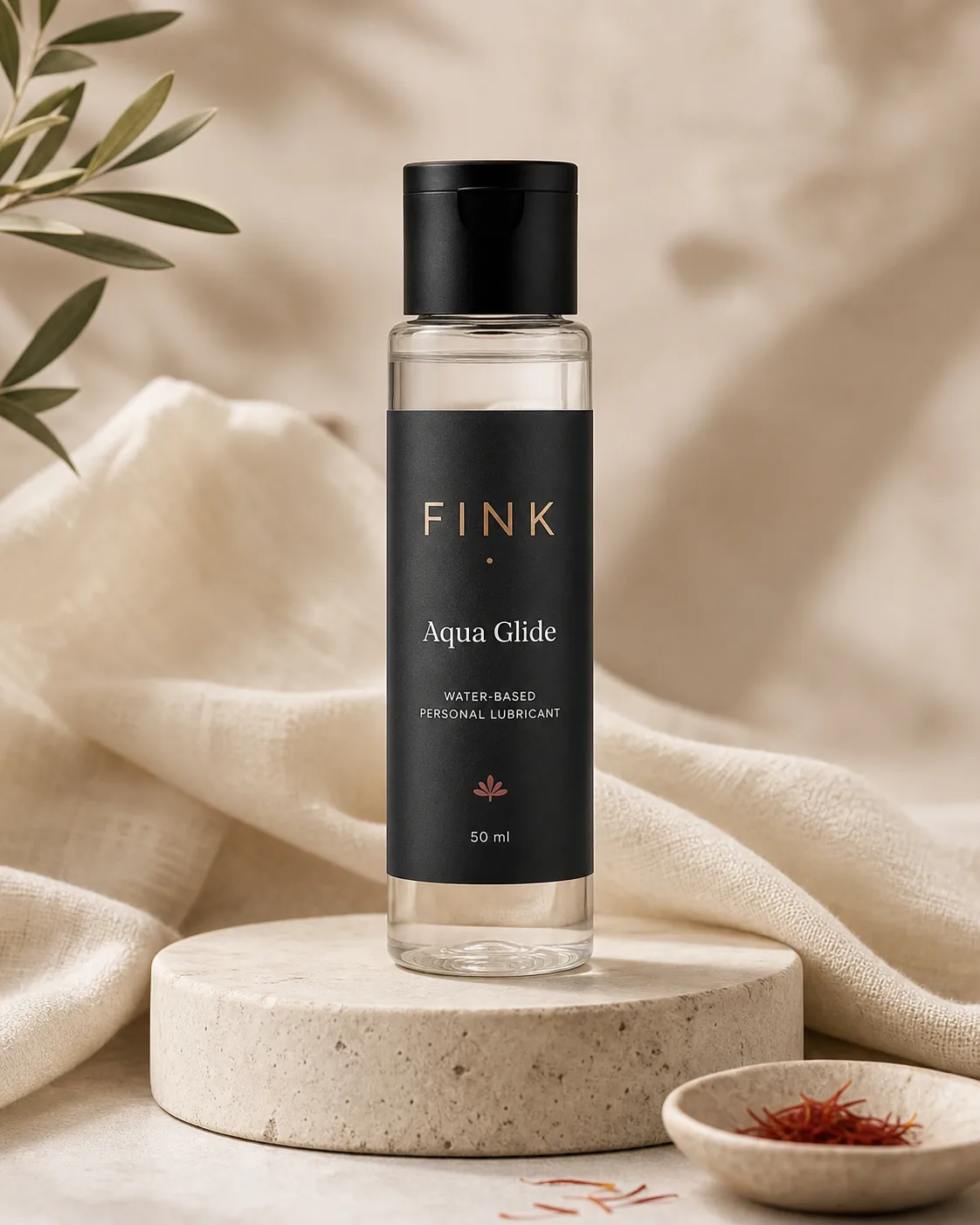
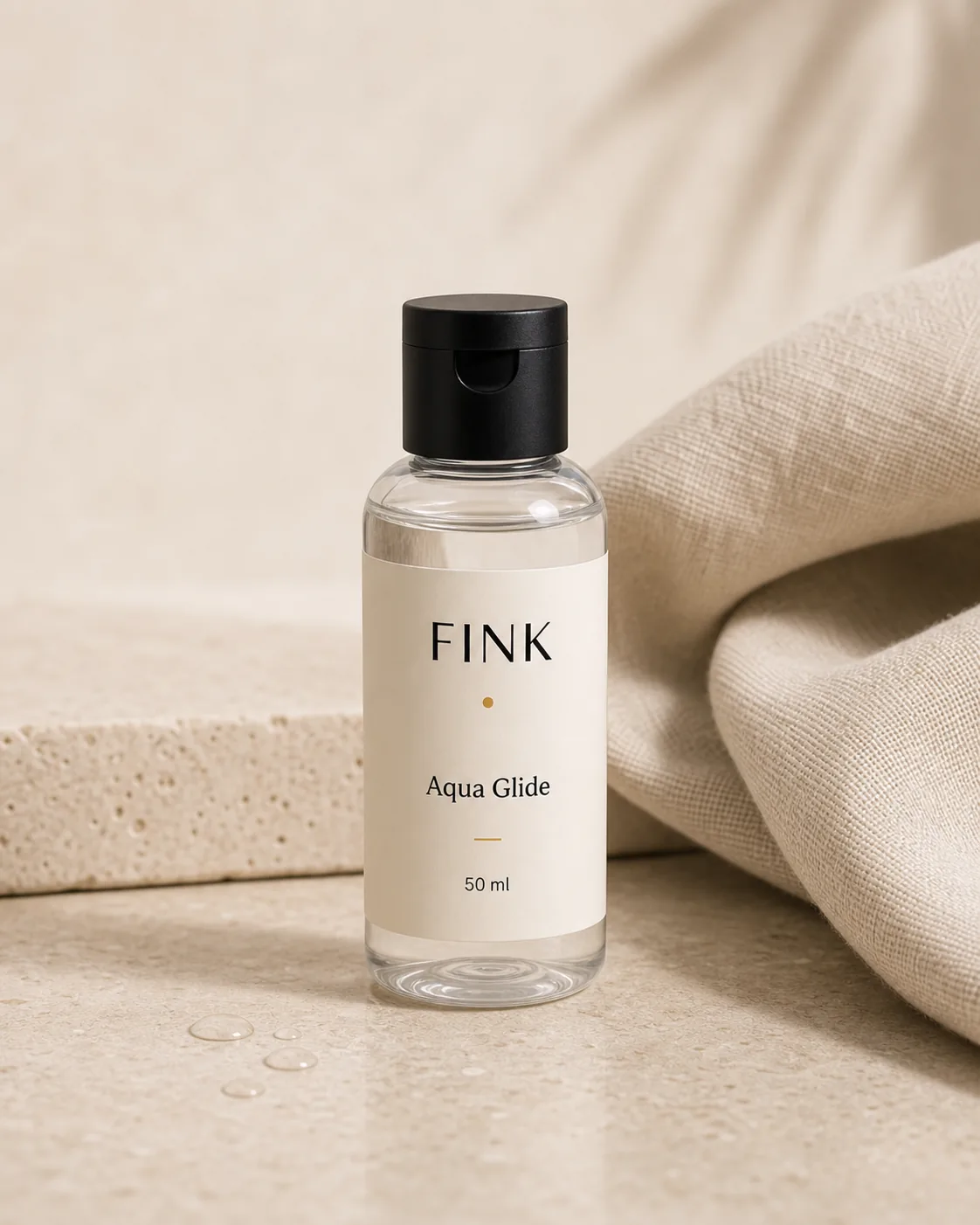
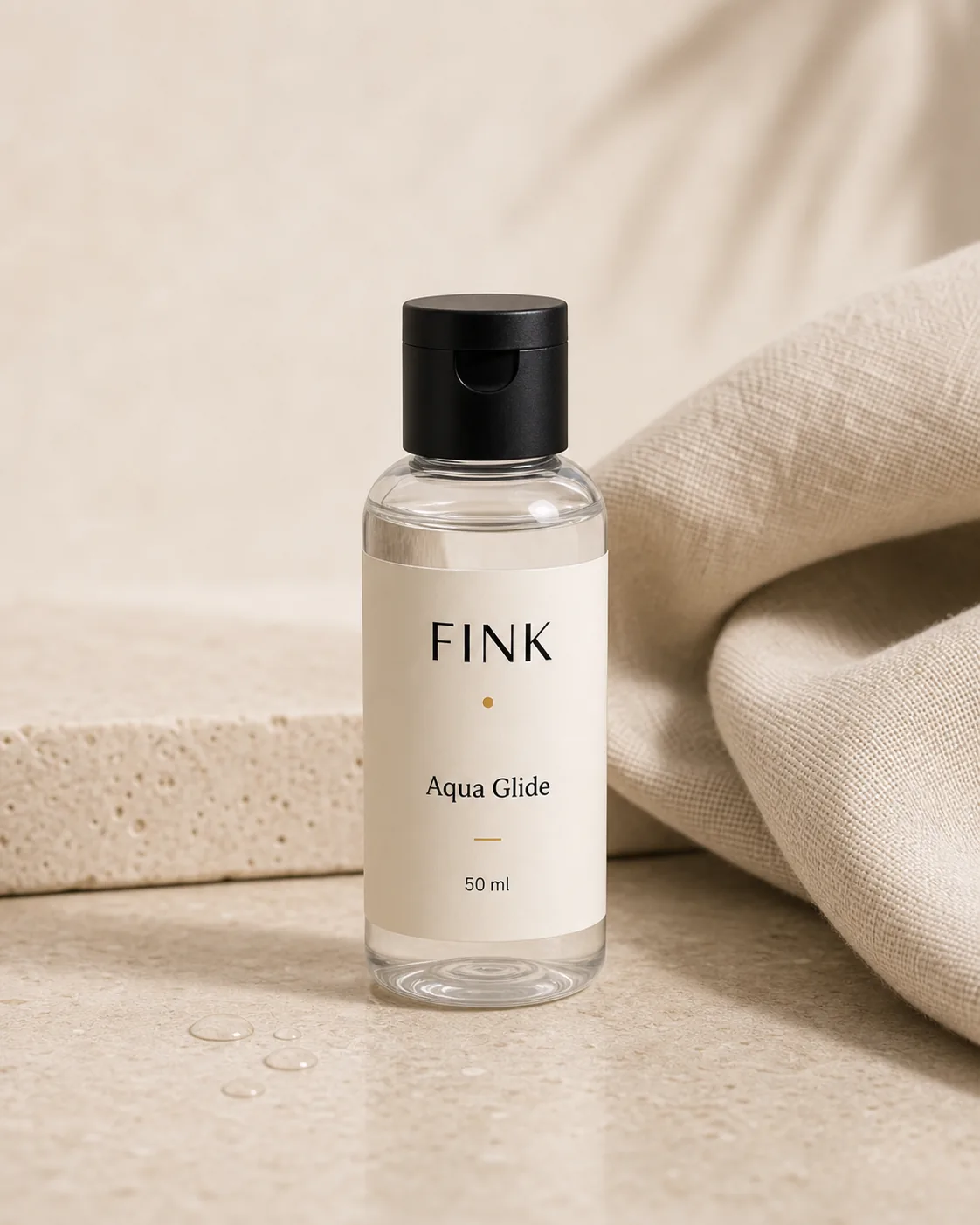
Put the list together and a clear default emerges. A clean, water-based lubricant — free of glycerin if you're sensitive, free of parabens, fragrance, flavour, and warming agents, and formulated to sit near the body's natural pH — suits the widest range of people and the most situations. It feels natural, rinses away easily, and stays friendly with condoms.
You don't need a chemistry degree to shop well. Turn the pack over, scan for the handful of words above, and choose the formula that respects how your body actually works. That single habit will serve you better than any claim on the front.
Common questions
Is glycerin in lubricant bad for everyone?
No. Many people use glycerin-based lubricants without any issue. But because glycerin is sugar-derived, it can disturb the vaginal balance for those prone to yeast or irritation. If that's you, choose a glycerin-free water-based formula.
Why should I avoid fragranced or flavoured lubricants?
Added fragrance and flavour are extra chemistry applied to very delicate tissue, and they're among the more common causes of stinging and itching. For regular use, an unscented, unflavoured formula is the gentler choice for most bodies.
What does pH-balanced lubricant mean?
The vagina is naturally slightly acidic, which helps protect it. A pH-balanced lubricant is formulated to sit near that natural range rather than far from it, so it's less likely to upset the delicate balance and cause irritation.