Menopause and intimate dryness: comfort, plainly
By the Fink care team · Published 17 June 2026
Somewhere in the years around menopause, many women notice a change they weren't warned about. Intimacy that was once easy starts to feel dry, sometimes sore. Conversation rarely prepares us for this part, so it tends to arrive privately, and is carried privately, often with a quiet sense of loss. It deserves to be spoken about plainly, because it is common, it is explainable, and there is a good deal that helps.
This is not your body letting you down. It is your body responding to a shift in hormones, exactly as it is built to. Understanding why dryness happens at menopause takes the mystery out of it — and with the mystery gone, the practical comforts are easy to reach for.
Why dryness happens at menopause
Through most of adult life, oestrogen keeps the tissue of the vagina supple, elastic, and naturally moist. As menopause approaches and arrives, oestrogen levels decline, and that tissue gradually becomes thinner, less elastic, and drier. It is a slow, natural change, not a sudden fault.
This can show up as everyday dryness, a feeling of tightness, or discomfort during intimacy. Doctors have a name for the broader set of changes, but the name matters less than the reassurance: this is a known, expected part of the transition, and it is one of the most treatable. You are not imagining it, and you are certainly not alone in it.
Lubricant and moisturiser are not the same thing
These two words are often used interchangeably, but they do different jobs, and knowing the difference is genuinely useful.
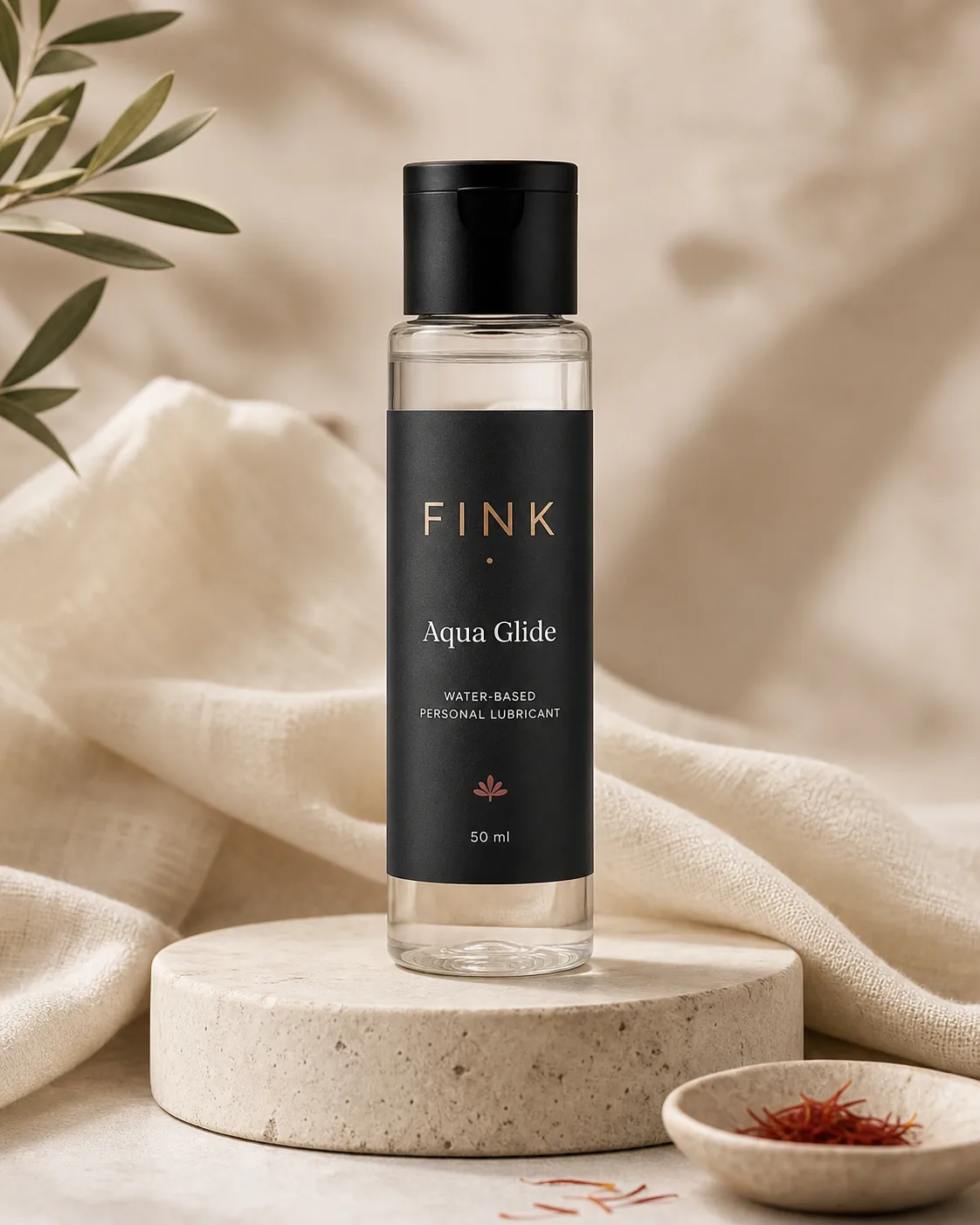
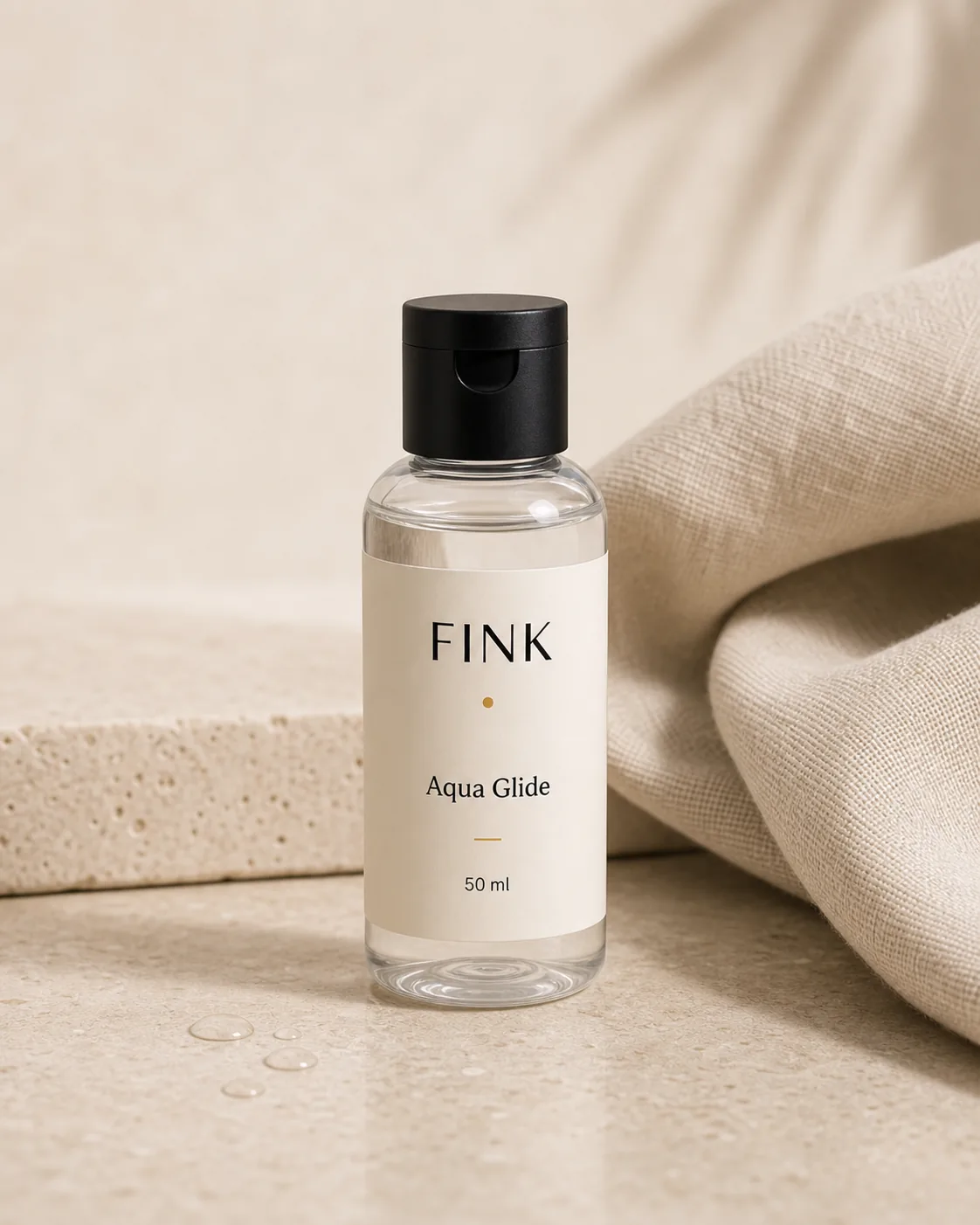
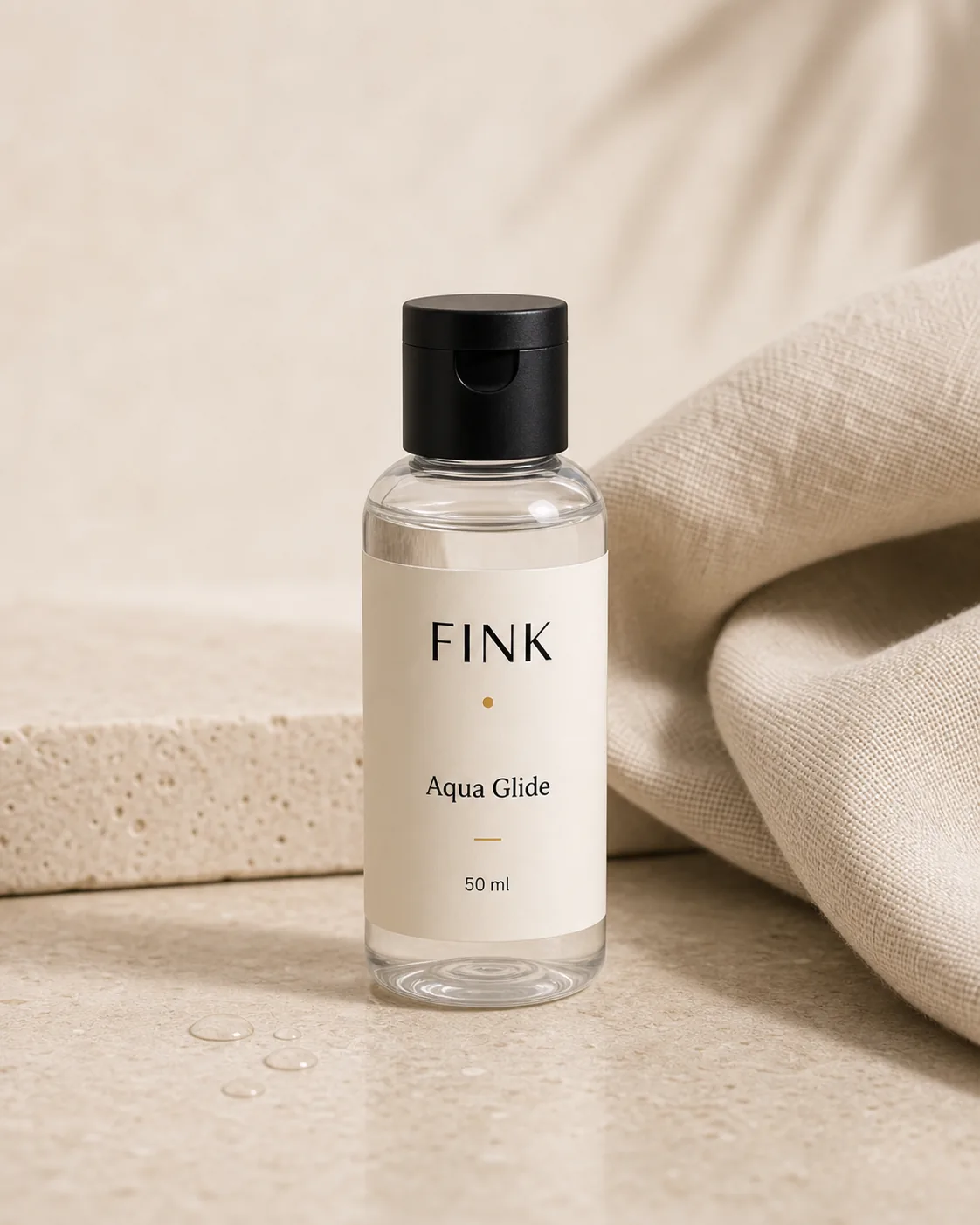
A lubricant works in the moment. You apply it just before or during intimacy to reduce friction and make things comfortable then and there. A clean, water-based lubricant is gentle, easy, and condom-safe, and for many women it is enough on its own.
A vaginal moisturiser works over time. It is used regularly — every few days, regardless of intimacy — to help the tissue hold moisture and feel more comfortable day to day. Think of the lubricant as you would lip balm for a specific moment, and the moisturiser as a daily skin routine. Many women find that using both, each for its own purpose, serves them best.
Medical options exist — and they work
For some women, comfort measures are all that's needed. For others, especially when dryness is more pronounced, medical treatment makes a real difference, and it is worth knowing those doors are open.
A gynaecologist can discuss options such as local oestrogen treatments, which act gently on the vaginal tissue, along with other approaches suited to your health and history. These are everyday parts of menopause care, not last resorts. There is no need to simply endure discomfort when effective help exists — the only step is to ask.
When to see a gynaecologist
Please book an appointment if dryness is persistent and comfort measures aren't enough, if intimacy is genuinely painful, or if you notice bleeding, burning, or unusual discharge. Bleeding after menopause in particular should always be checked, even when it seems minor.
Bringing this up can feel uncomfortable, but for a gynaecologist it is familiar, ordinary territory. You don't need to arrive with the right words or apologise for the question. Naming the discomfort is enough — the rest is their job, and they will have helped many women through exactly this.
Common questions
Why does menopause cause vaginal dryness?
Oestrogen keeps vaginal tissue supple and naturally moist. As oestrogen declines around menopause, the tissue becomes thinner, less elastic, and drier. It's a natural, expected change — and one of the more treatable ones, so help is readily available.
What's the difference between a lubricant and a vaginal moisturiser?
A lubricant is used in the moment to reduce friction during intimacy. A vaginal moisturiser is used regularly, every few days, to help tissue hold moisture day to day. They do different jobs, and many women use both.
Should I see a doctor about menopausal dryness?
Yes, if dryness persists despite comfort measures, if intimacy is painful, or if you notice bleeding, burning, or unusual discharge. Bleeding after menopause should always be checked. A gynaecologist can discuss options including local oestrogen treatments.