Intimacy after childbirth: going gently
By the Fink care team · Published 24 June 2026
After a baby arrives, the body becomes a place that has done something extraordinary and is still recovering. Intimacy is often far from the mind in those early weeks, and when it does return, it can feel unfamiliar — slower, more tender, surrounded by more questions than before. All of that is normal. There is no schedule you are behind on.
Coming back to intimacy after childbirth asks for patience, honesty with your partner, and a generous amount of self-kindness. The body has its own timeline for healing, and the most loving thing you can do is to follow it rather than rush it. Here is what helps, told gently.
Wait for your clearance — it exists for a reason
Doctors commonly advise waiting a number of weeks after birth before resuming intercourse, often confirmed at the postnatal check-up. This guidance isn't bureaucratic caution. It gives the body time to heal — the uterus, any tearing or stitches, and the cervix all need that window to recover, and the risk of infection is higher before they do.
Whether your birth was vaginal or by caesarean, let your own doctor's advice be the guide rather than a general timeline you read somewhere. And clearance is a green light, not a deadline. Being medically ready and feeling ready are two different things, and both deserve respect.
Why dryness is common afterwards
Many new mothers are surprised by how dry intimacy feels in the months after birth, and worry that something is wrong. Usually nothing is. Hormones shift dramatically after delivery, and oestrogen drops — especially while breastfeeding, which keeps oestrogen low for as long as it continues.
Lower oestrogen means less natural lubrication, the same mechanism behind dryness at other life stages. It is temporary and tends to ease as hormones settle and, for many, as breastfeeding winds down. Knowing this in advance spares a lot of unnecessary worry — your body isn't broken, it's simply busy doing something else.
Going slow, with no pressure
There is no prize for returning to intimacy quickly. Exhaustion, a healing body, and the enormous shift of new parenthood all reshape desire for a while, and that is entirely expected. Let the first times be unhurried and free of expectation. Closeness doesn't have to mean intercourse — it can be patience, affection, and simply being gentle with each other.
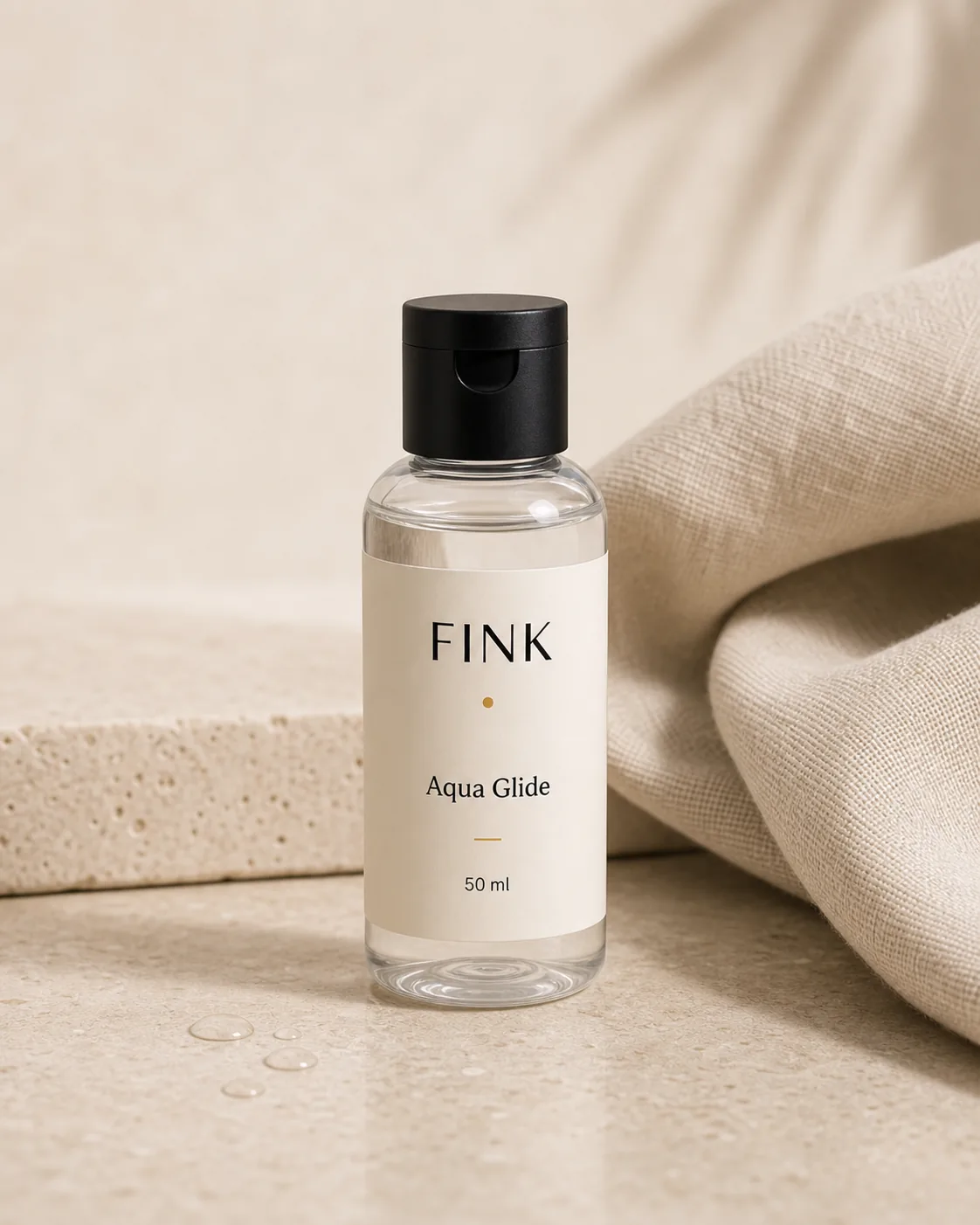
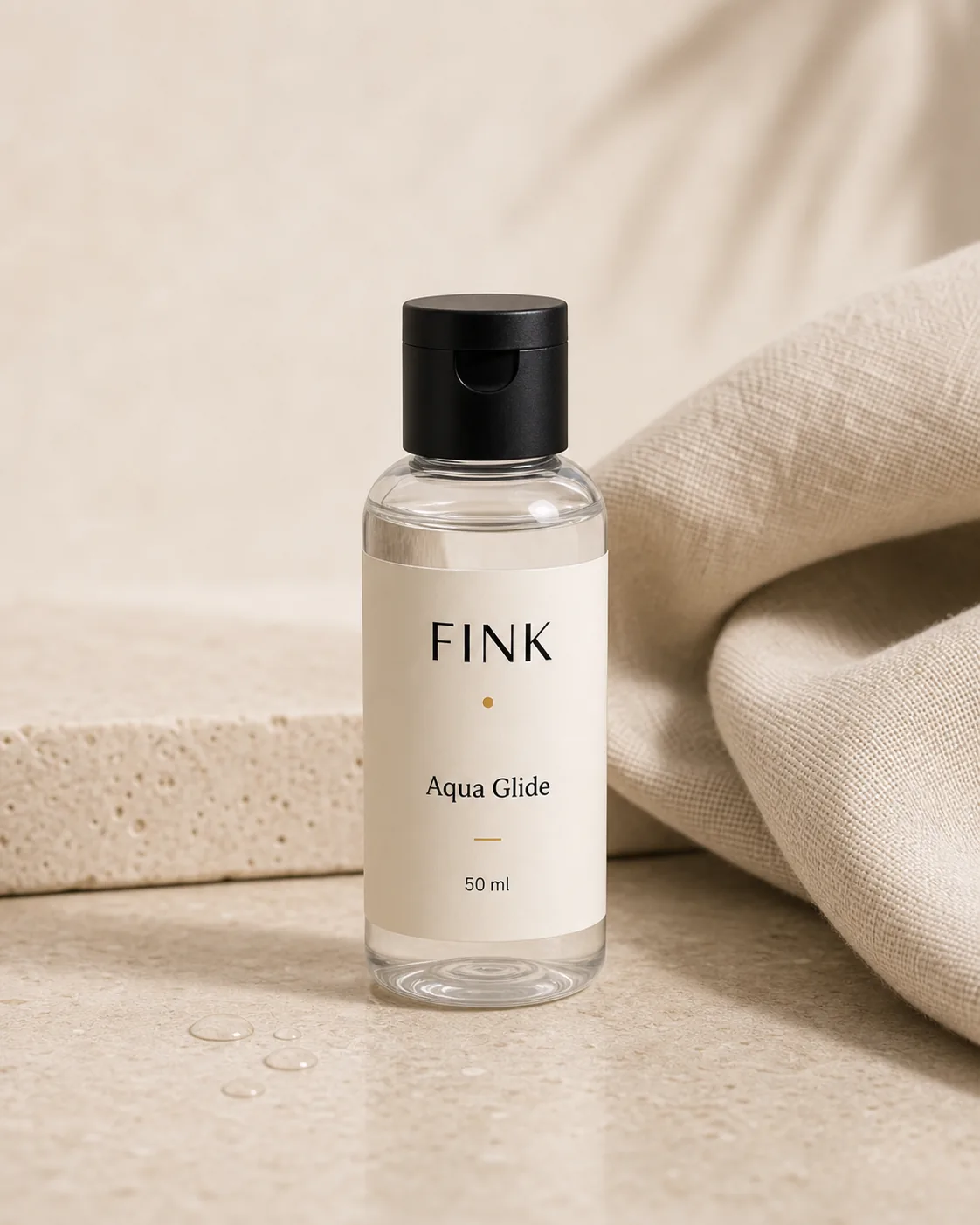
Talk to your partner honestly about what feels good, what feels tender, and when to pause. That conversation isn't a mood-killer; it's what makes coming back feel safe. A clean, water-based lubricant is a quiet, practical help here, easing the dryness so that going slow doesn't have to mean going sore. Use it generously and without any second thought.
When to speak to your doctor
Some discomfort the first few times is common as your body readjusts. But pain that is sharp, persistent, or doesn't ease with time and a lubricant is worth raising with your doctor or gynaecologist, not enduring quietly.
Please also reach out if you notice unusual bleeding, signs of infection, or pain around a scar or stitches. And if low mood, anxiety, or a loss of interest in things you love is weighing on you, tell your doctor — postnatal wellbeing is part of recovery too. Asking for help in any of these is not making a fuss. It is taking good care of yourself, which your baby needs you to do.
Common questions
How long should I wait to have sex after childbirth?
Doctors commonly advise waiting a number of weeks, often confirmed at your postnatal check-up, to let the body heal and reduce infection risk. Follow your own doctor's guidance, and remember that feeling ready matters as much as being medically cleared.
Why am I so dry after having a baby?
Hormones shift sharply after birth and oestrogen drops, especially while breastfeeding, which lowers natural lubrication. It's common and usually temporary, easing as hormones settle. A water-based lubricant helps in the meantime.
Is pain during sex after childbirth normal?
Some tenderness the first few times is common as your body readjusts. But pain that is sharp, persistent, or doesn't ease with time and a lubricant should be checked by your doctor or gynaecologist, along with any unusual bleeding or signs of infection.